I strive to work at the intersection of social impact and technological innovation. In our office, wherein we are charity fundraisers, we are creating high impact by raising awareness about the campaigns we work on, and onboarding donors on the daily for the same. However, we do not utilise any technological solutions to ease our daily processes, such as finding new sites to pitch in, especially sites wherein there would be enough foot traffic so we can get a higher number of donors affiiated with the charity.
To fix this, I utilised the Google Maps API to find as many retail stores for the corporations we partner with (Staples, Starbucks, Whole Foods, etc) and the BestTimes API to find the busiest and quietest hours of the business so we can maximise our day.
2. Fundamentals of UX Class Project
For this class, we were supposed to take an application that was used / had the potential to be used frequently by UCLA students, and improve its user experience.
ASUCLA Dining App Enhancement Project Summary
We chose the ASUCLA(Association of Students at UCLA) application to work on for this. We conducted interviews to understand how participants use the ASUCLA app for on-campus dining. We found out that while the users appreciate the app's convenience but face challenges like crashes, overwhelming tabs, and insufficient restaurant information.We also learnt that most users prefer a mobile app for its organized screen, and suggestions for improvement include bug fixes, menu options, wait time features, restaurant reviews, and a cleaner user interface. Users express a preference for a separate app dedicated to ASUCLA restaurants.
Therefore we focused on redesigning the app with the intention of addressing user concerns by focusing on debugging, wait time options, restaurant menus, reviews, and interface organization. Prototyping and testing these features aim to enhance convenience and efficiency, comparing the old and new versions to observe positive impacts on user experience.
Key features targetted
Easy search and location of on-campus dining information through accessible search bars.
Consolidation of dining information on a separate app to prevent crashes and user overload.
Availability of comprehensive dining information in different categories and tabs.
Introduction of a location tracking feature for users to find the closest dining options.
Clear category tabs for faster decision-making on dining choices.
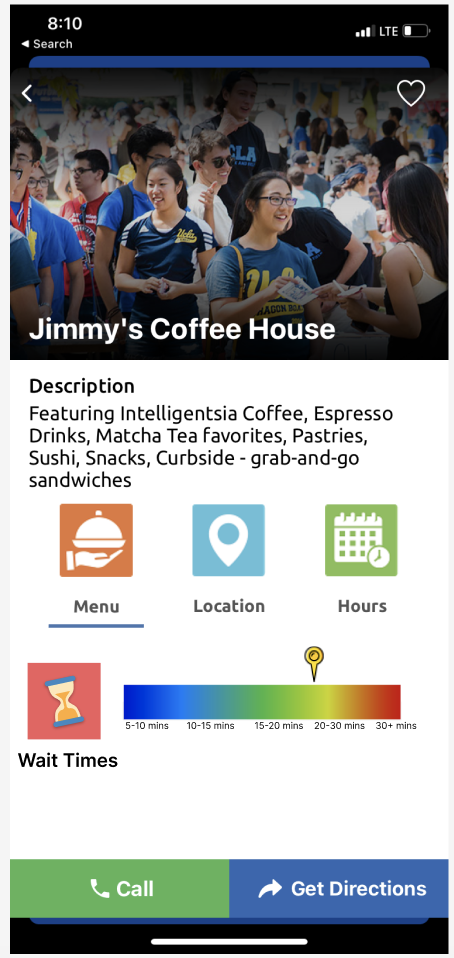
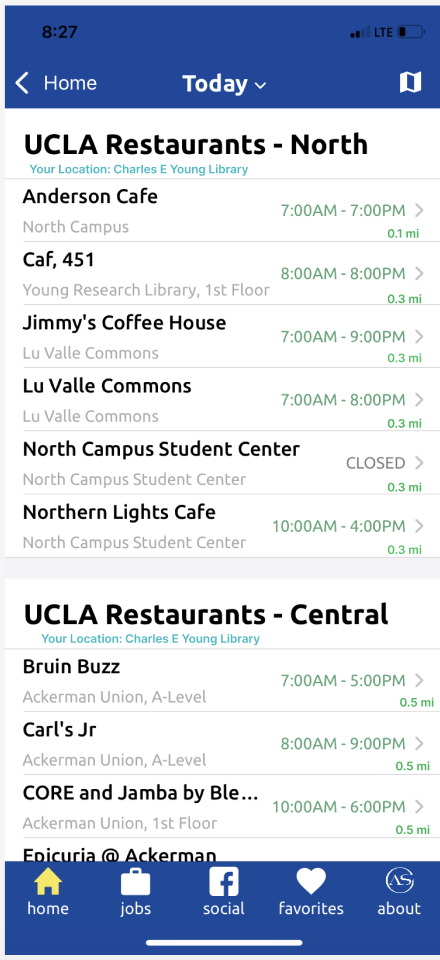
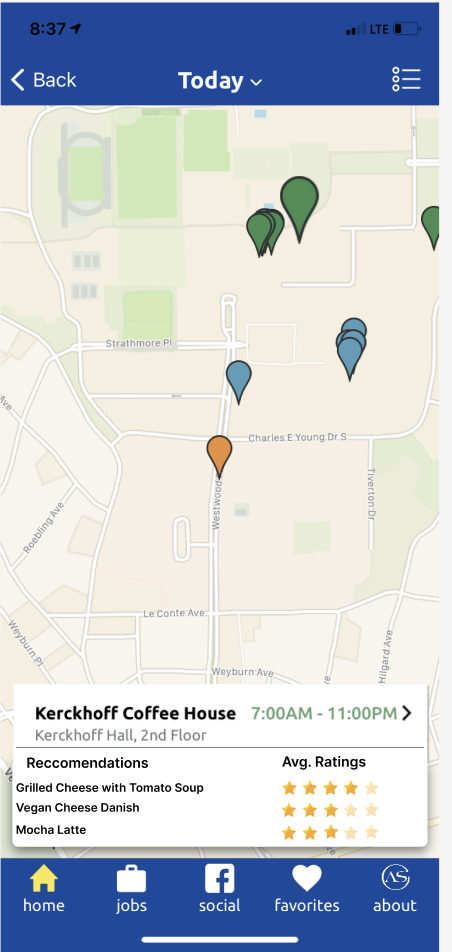
Initial Product Prototype
Addition of a Wait Times scale to inform users about crowdedness and expected waiting times.
Enhanced "Eating on ASUCLA" tab displaying the user's location, distance to each restaurant, and recommendations.
Map screen showcasing the distance of different campus restaurants, including a recommendations list and average user ratings.
I was also incharge of creating the Figma wireframes for this new prototype:
Prototype wireframes
3. Loyalty+: Project for Entrepreneurship and New Product Development class
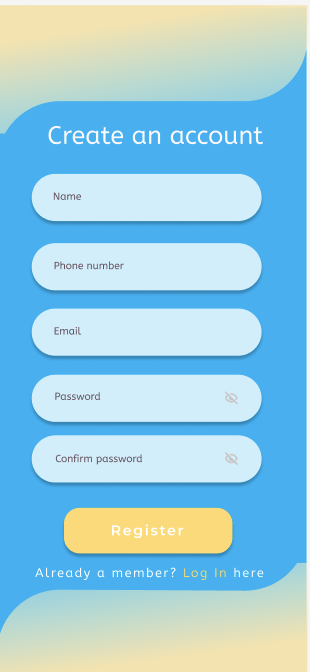
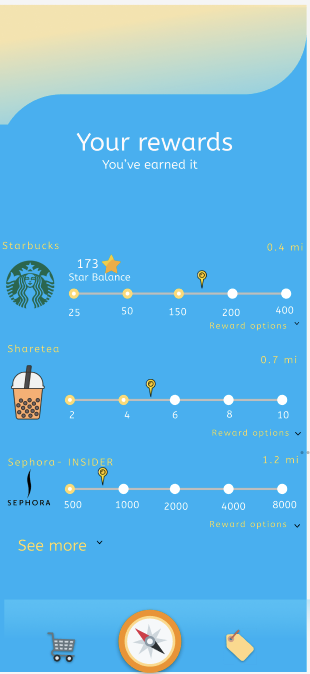
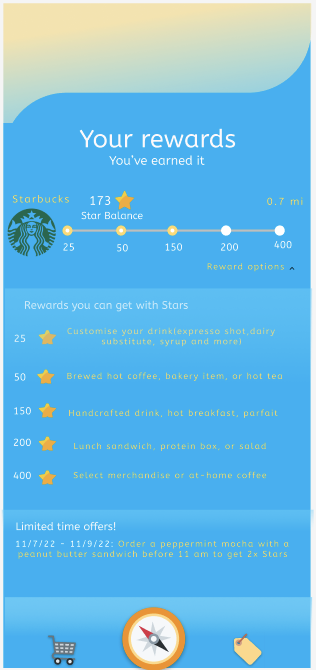
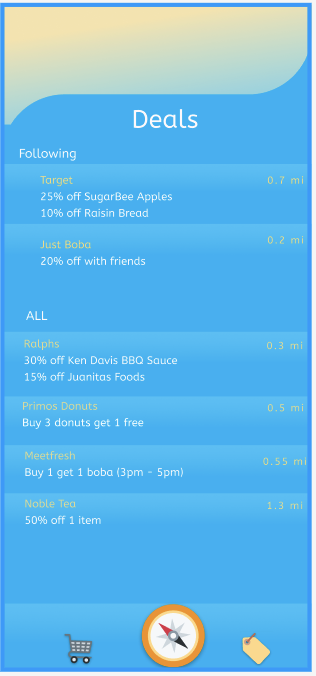
For this class we had to create a 50-100 page project proposal for a new business. My team came up with Loyalty+, an application that addresses the existing challenges in disjointed loyalty programs by introducing a revolutionary mobile app designed to centralize and streamline the consumer experience. The current industry's inefficiency stems from the lack of a centralized platform for tracking diverse loyalty programs, leading to decreased customer retention and revenue potential for businesses. Loyalty+ aims to solve this issue by consolidating all loyalty programs into one user-friendly app, simplifying login processes, and allowing users to monitor their rewards progress from a centralized dashboard. Built on the blockchain for secure user information storage, Loyalty+ facilitates maximum user value with minimal effort, benefiting businesses through increased repeat business and higher retention rates. Revenue will be sourced from participating companies through data sales, commission fees for targeted deals, and a premium tier offering advanced services on the blockchain. The app's functionality, employing QR codes, provides a seamless experience for both consumers and businesses, positioning Loyalty+ as a solution to enhance consumer satisfaction and boost business opportunities.
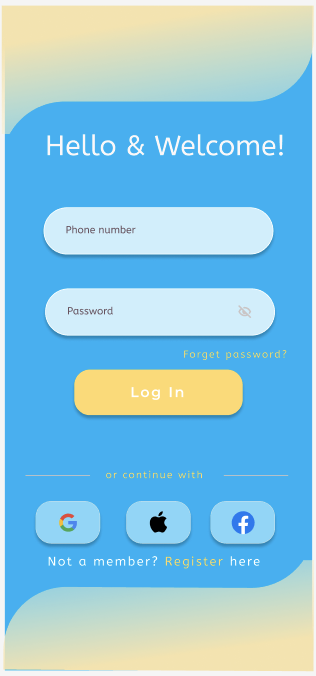
I was also incharge of creating the Figma wireframes for this new prototype: